
Optimal Timing for Asphalt Service
Proper timing for asphalt service is essential to ensure durability and optimal results. Factors such as temperature, humidity, and seasonal weather patterns influence the effectiveness of asphalt application and repairs. Understanding these conditions helps determine the most suitable periods for scheduling asphalt maintenance and installation.
Spring offers moderate temperatures and lower humidity, ideal for asphalt work. This season allows for proper curing and long-lasting results.
Summer provides warm weather, which accelerates asphalt setting. However, excessive heat can cause softening, making early morning or late evening work preferable.
Fall's cooler temperatures and reduced rainfall create favorable conditions for asphalt projects, minimizing delays and ensuring quality.
Winter's cold temperatures and potential for frost can hinder asphalt application and curing, often leading to delays or the need for special materials.
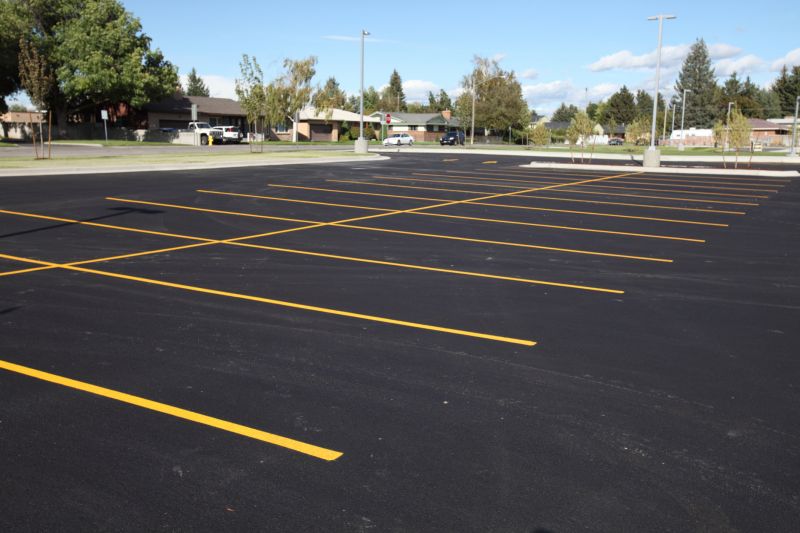
Ways to make Asphalt Service work in tight or awkward layouts.
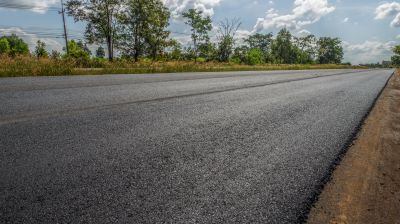
Popular materials for Asphalt Service and why they hold up over time.
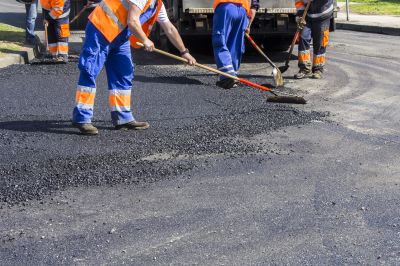
Simple add-ons that improve Asphalt Service without blowing the budget.
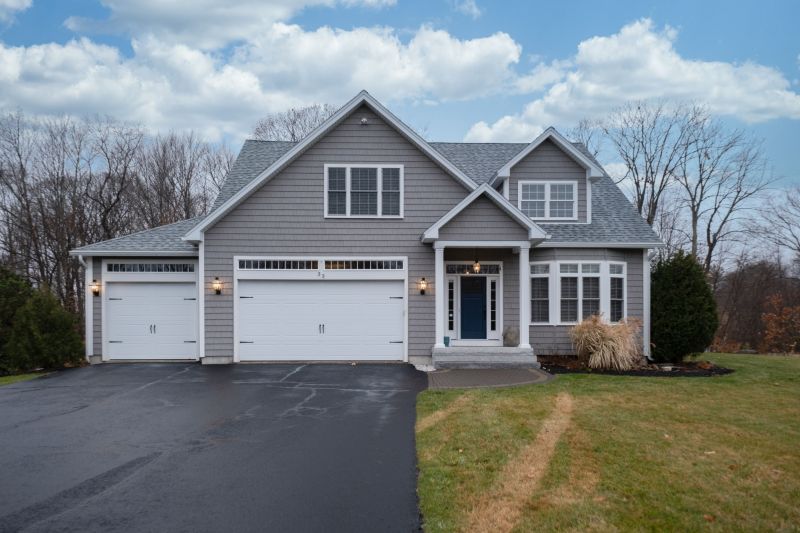
High-end options that actually feel worth it for Asphalt Service.
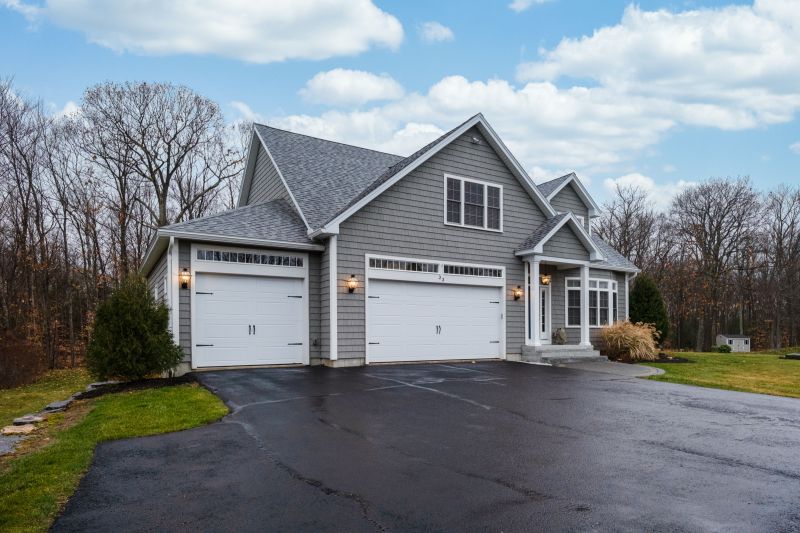
Finishes and colors that play nicely with Asphalt Service.
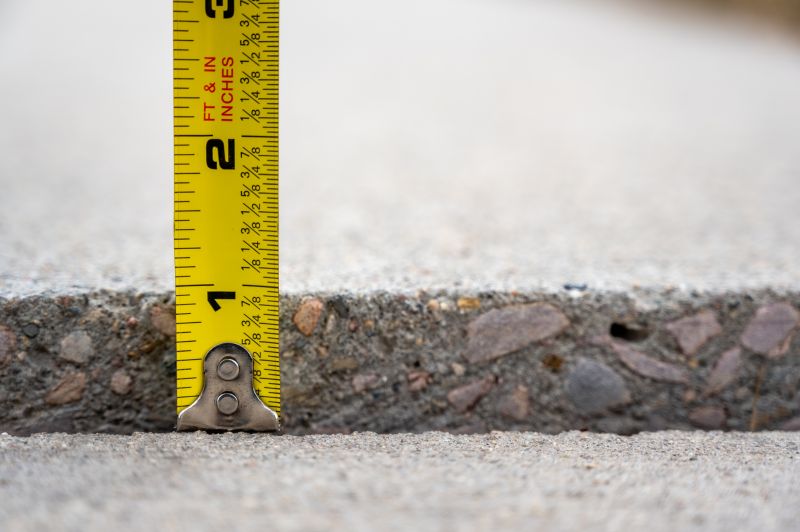
Little measurements that prevent headaches on Asphalt Service day.
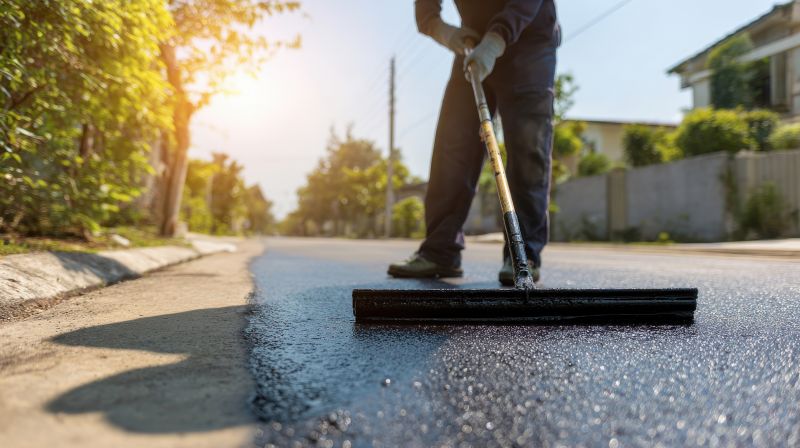
A 60-second routine that keeps Asphalt Service looking new.
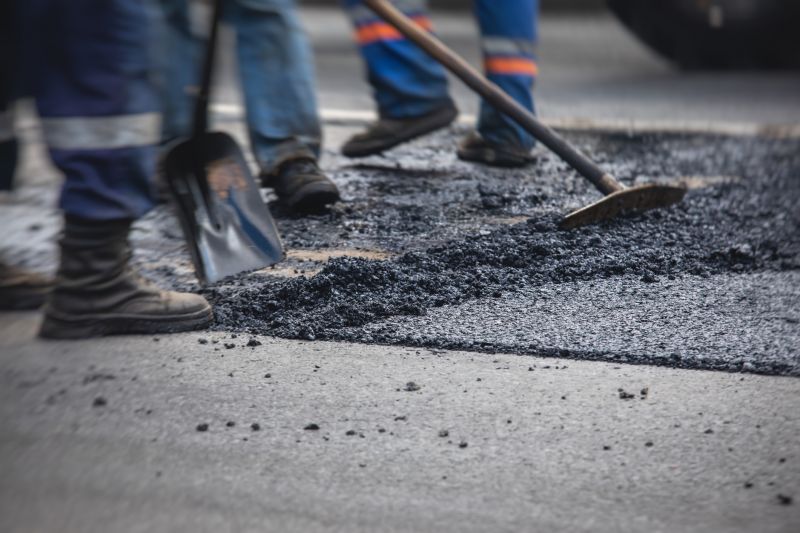
A frequent mistake in Asphalt Service and how to dodge it.
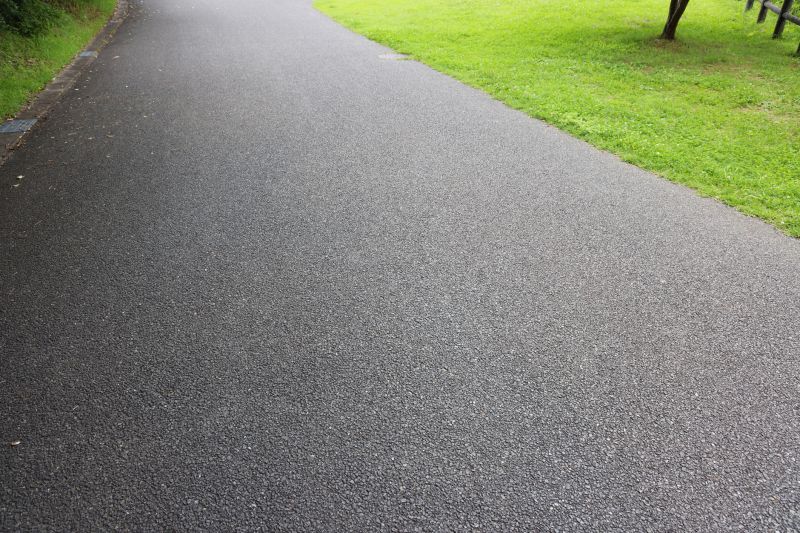
Small tweaks to make Asphalt Service safer and easier to use.
| Season | Recommended Activities |
|---|---|
| Spring | Sealcoating, crack filling, paving |
| Summer | Hot mix asphalt paving, repairs during cooler hours |
| Fall | Sealcoating, crack sealing, surface repairs |
| Winter | Limited asphalt work, planning and inspections |
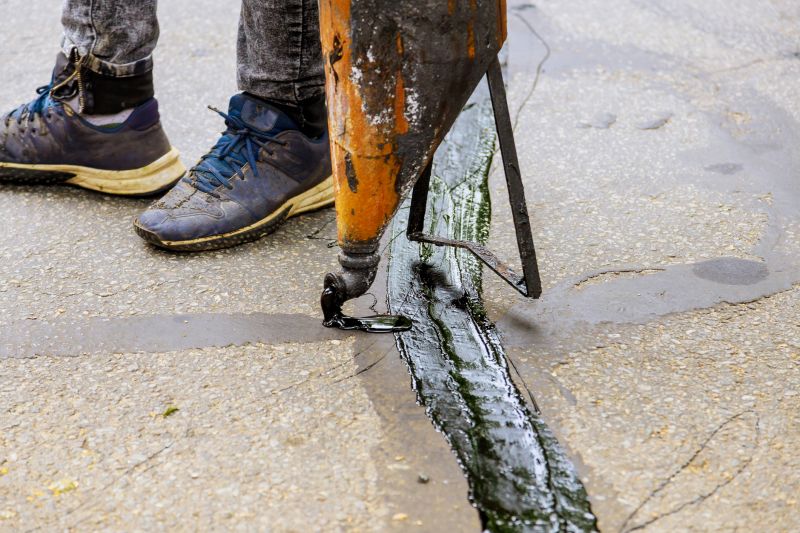
Asphalt service involves various processes such as installation, repair, and maintenance to ensure the longevity and safety of paved surfaces. Proper timing enhances the quality of work, reduces costs, and extends the lifespan of asphalt surfaces. Scheduling during favorable weather conditions minimizes issues like cracking, softening, or improper curing, which can compromise the durability of the pavement.
Statistics indicate that asphalt projects completed during optimal weather conditions experience fewer repairs and longer service life. For example, asphalt laid in temperatures between 50 and 85 degrees Fahrenheit with low humidity tends to cure properly, resulting in a surface that resists cracking and deformation. Proper scheduling also helps avoid delays caused by weather disruptions, ensuring projects stay on track and within budget.
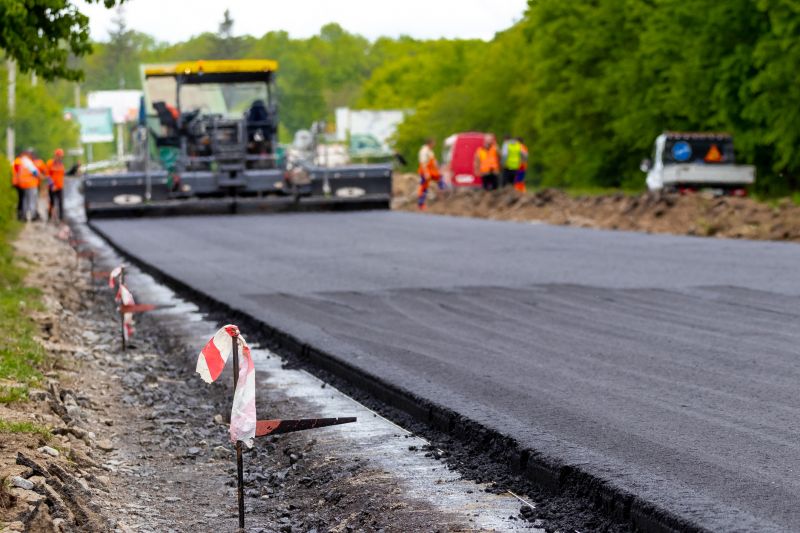
Lower-waste or water-saving choices for Asphalt Service.
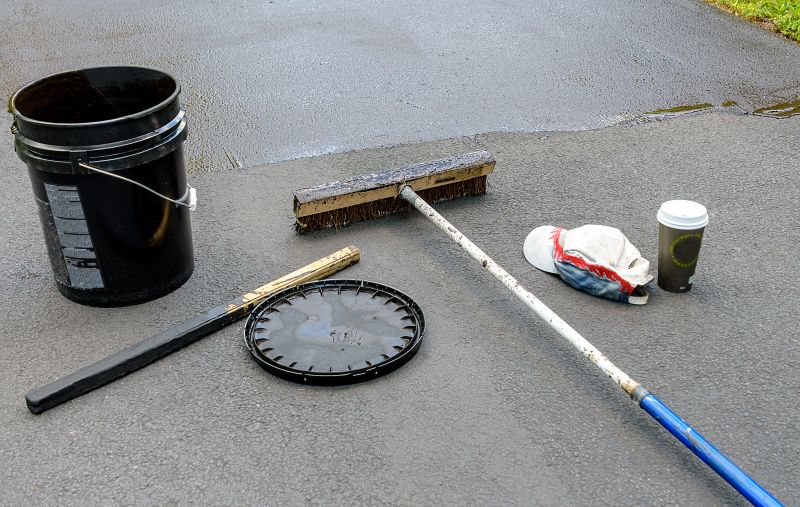
The short, realistic tool list for quality Asphalt Service.
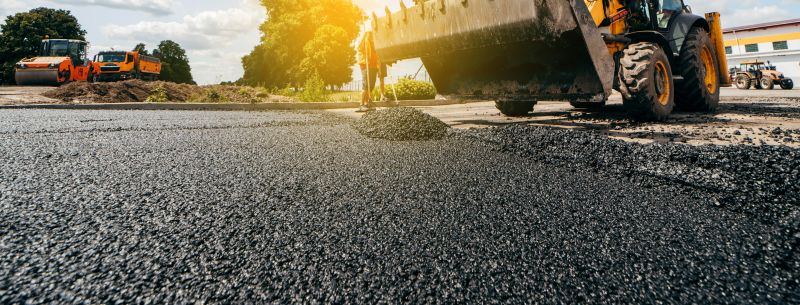
Rough timing from prep to clean-up for Asphalt Service.
Quick checks and paperwork to keep after Asphalt Service.
Interested parties are encouraged to contact for asphalt service inquiries. Proper scheduling and timely maintenance can significantly improve the lifespan and appearance of paved surfaces, making it a worthwhile investment for property owners.